

Wrongfully blamed for rental car damage after drop-off? Document the car before they blame you.

carseal guides a photo walk-around at pickup and return, stores a hash of the photos you upload, and uses AI to highlight possible marks for review. It can miss or misclassify damage. It is not a court ruling.
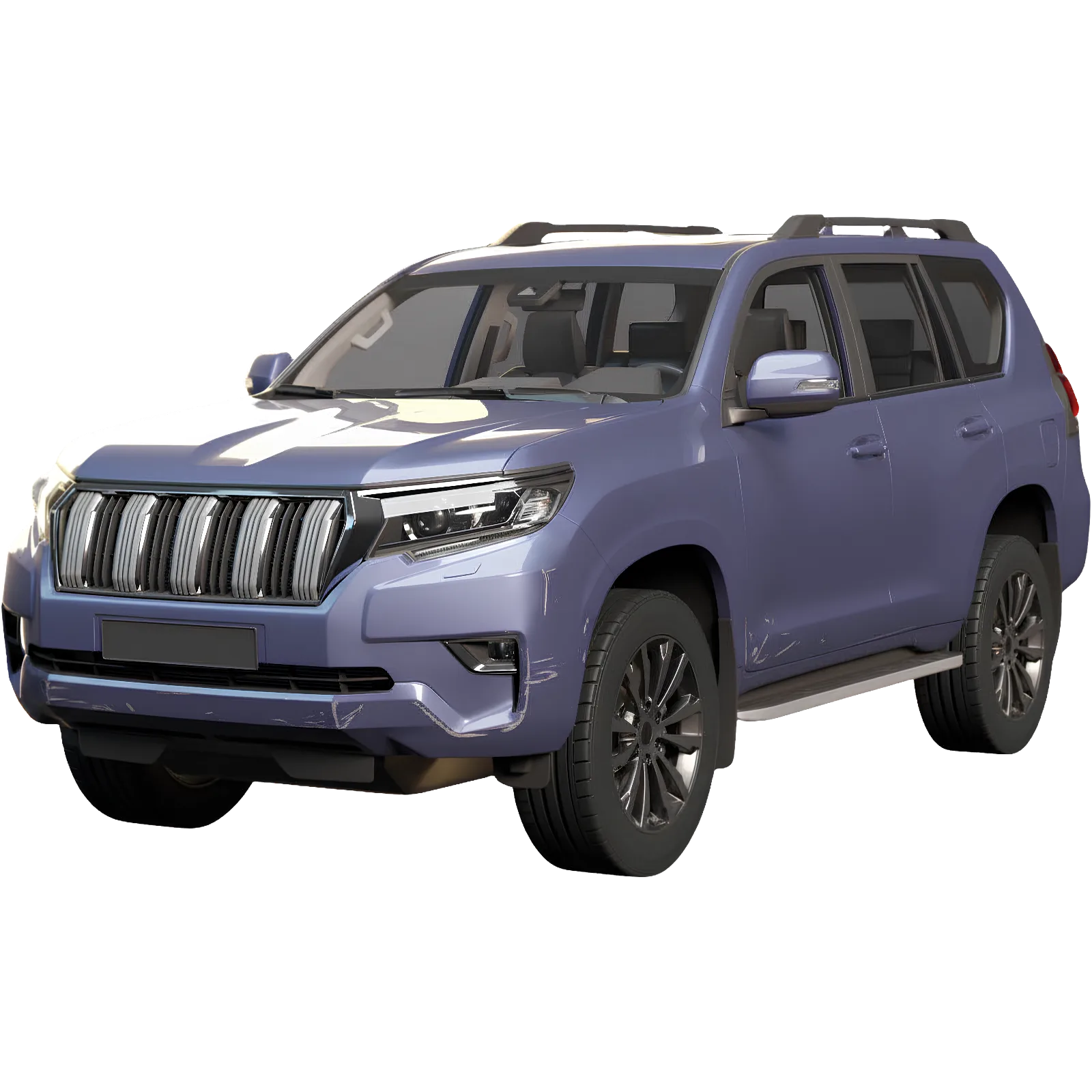
Renting a car? Photograph it at pickup and return before a charge arrives.
carseal is an independent app that guides a rental-car photo walk-around at pickup and return, stores hashes of the uploaded photos, and flags possible marks for review — so you have dated photos to challenge a charge. AI can miss damage; we do not decide fault.
Independent of the rental desk
carseal works for you, not the rental company.
Hashed after upload
Each uploaded photo gets a SHA-256 digest. A timestamp token may be requested; it is not validated in-app yet.
Built to challenge a charge
Drafts a rebuttal, chargeback or insurance packet from your photos. We do not guarantee a reversal.
The damage was already there.
Try proving that.
You're two thousand miles from home. The agent points to a scuff you've never seen, and your deposit is suddenly hostage. Phone-roll photos are easy to dismiss. carseal is a guided, timestamped photo record you can share — not a ruling that the charge is wrong.
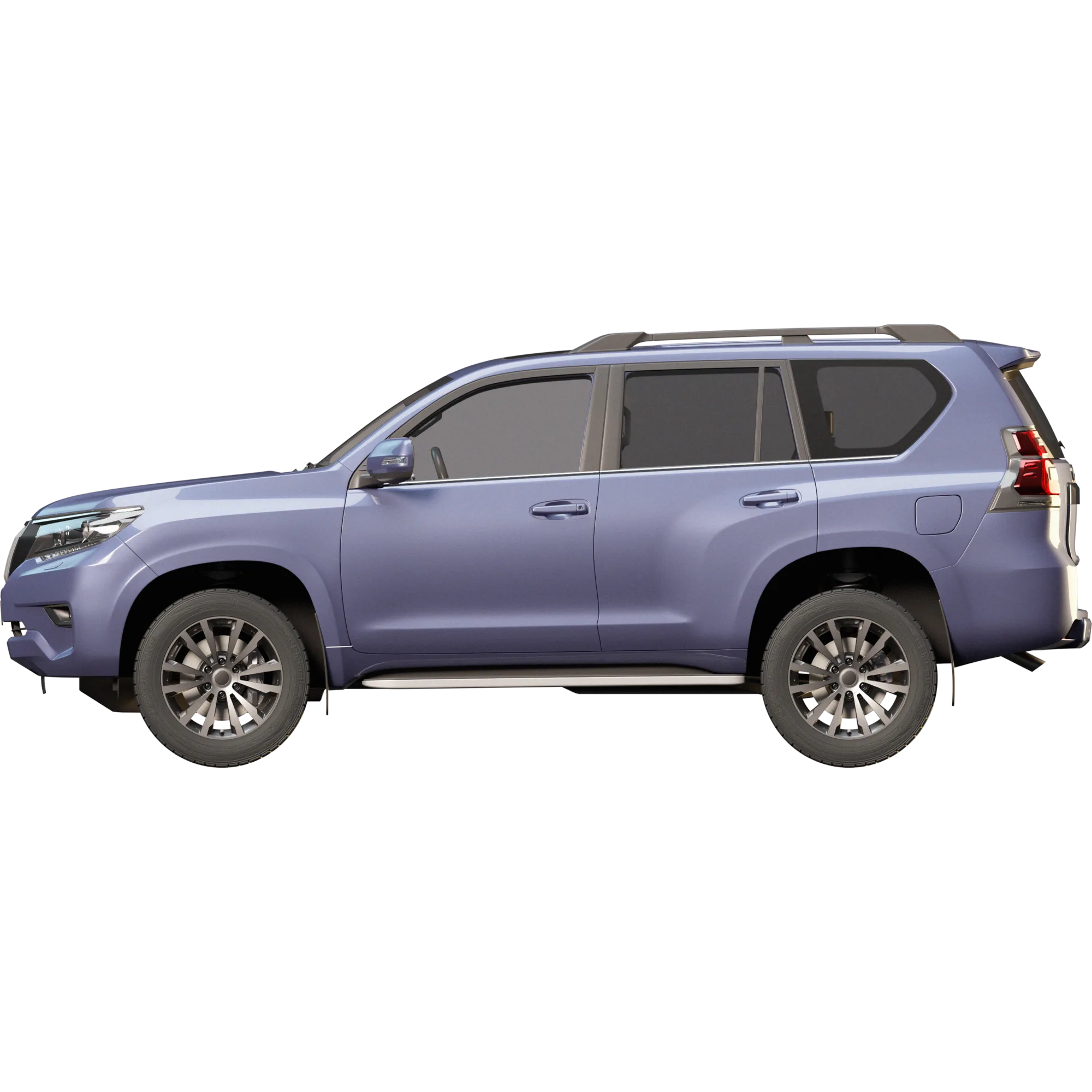
Before you drive, you circle the car.
carseal's guided walk-around tells you which sides and close-ups to photograph at pickup. Close-up stations are required, not optional polish. On-device, your phone keeps the sharpest distinct frames. After upload, each file is hashed. A timestamp token may be requested; it is not validated in-app yet. Analysis of the photos is a separate step after sealing.
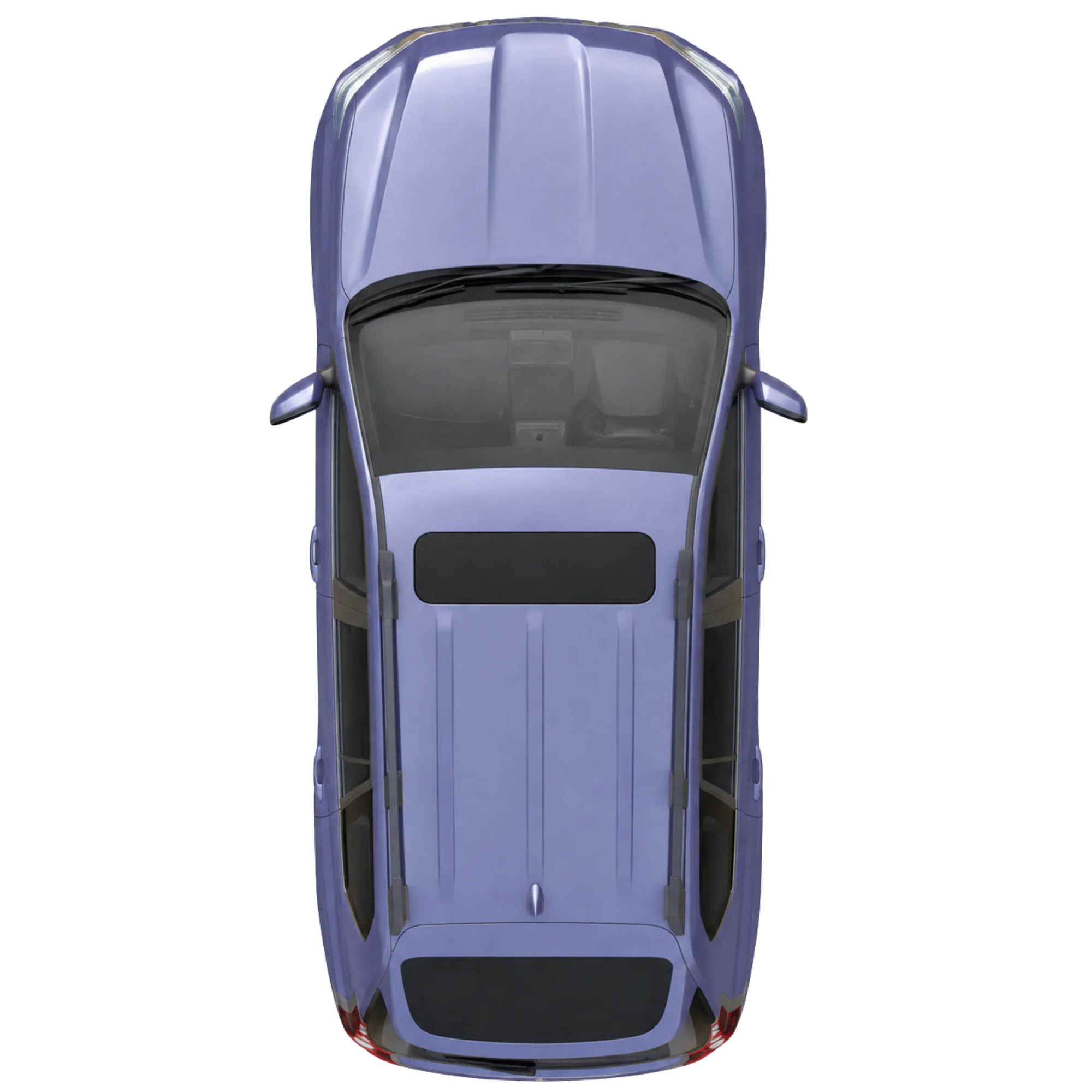
AI highlights possible marks for review.
After upload, models flag possible scratches, dents, scuffs, chips and cracked glass on the photographed panels. Highlights can miss or misclassify damage. They are not a complete inspection, not a human confirmation, and not a calibrated probability.
Then uploaded photos are hashed.
Each uploaded frame is hashed into a Merkle tree. A timestamp token may be requested from an RFC-3161 authority and the package is written to an append-only custody log. The public page checks that stored hash record, not live file bytes. It is not a court ruling.
Built on open standards: RFC‑3161 timestamp tokens, SHA‑256 hashing and a Merkle tree. The public page checks the stored hash record, not live file bytes.
At return, you photograph the same car again.
At return you scan again, and carseal lays pickup against return one component at a time — flagging possible changes on bumper, doors, wheels and glass. Where the comparison is unsure, the product treats the mark as pre-existing. Missing coverage is not a clean bill of health.
Demonstration of pickup against return. Red is an AI-flagged change; amber is a mark recorded at pickup. This animation is not a control.
A PDF with a public hash-check link.
carseal produces a PDF of the photographed condition — findings, timestamps, a public hash-check link and QR. That page checks the stored hash record, not live file bytes, and it does not prove the AI assessment is complete or correct.
And if they still charge you — you have photos to send.
carseal's Claim Assistant drafts a rebuttal email, chargeback packet (Visa 13.1 · Mastercard 4853 · Amex C02), or insurance submission from the hashed photos. A company, issuer or court decides what weight to give them. We do not guarantee a reversal.
Rebuttal email
Chargeback
Insurance
Your own photos vs. the rental desk vs. carseal.
Ordinary phone photos are easy to dismiss. The desk form is the company's own paperwork. carseal is a guided photo set plus a stored hash record — still not a court ruling.
| Capability | Your phone photos | Rental company inspection | carseal |
|---|---|---|---|
| Independent of the rental company | Yes | No | Yes |
| Timestamp token requested (RFC‑3161) | No | Rarely | When the authority responds |
| Public page checks stored hashes | No | No | Yes — not live file bytes |
| AI flags possible changes for review | No | Varies | Can miss damage |
| Draft dispute / chargeback packet | No | No | Yes — no guaranteed reversal |
| Guides a full walk-around | Hit and miss | Walk-round only | Can still miss hidden marks |
| Documents photographed areas at return | Rarely | Yes | Photographed areas only |
What about a dashcam, or the paper form at the desk? A dashcam films the road, not the bodywork — it almost never covers the panels a damage claim is written about, and its footage carries the same date-integrity problem as any other file on a device you control. The desk's paper inspection form is written by the company charging you: it is usually a tick-box diagram, often filled in without you, and it records the company's opinion of the car rather than a third-party photo set of it. Both are better than nothing. Neither forces a bank to reverse a charge.
Rental car damage charges, answered.
The practical questions renters ask about challenging a damage charge — and what a hashed photo record can and cannot do.
Can a rental company charge me for damage I didn't cause?
They can attempt to. Dated photos from pickup and return make it easier to challenge a charge. carseal helps you take those photos and stores a hash of what you uploaded. That is evidence you can present; it does not guarantee a reversal or decide who caused a mark.
How do I prove rental car damage was already there at pickup?
Photograph the car before you drive away, covering the same areas you will photograph at return. carseal guides that walk-around and hashes uploaded photos. AI highlights are an aid — check the pictures yourself. Hidden or poorly lit marks can be missed.
Is photo evidence enough to dispute a rental car damage charge?
Ordinary phone photos can be questioned on date and integrity. carseal stores a SHA-256 digest of each uploaded photo and may attach a timestamp token. The public check page currently verifies the stored hash record, not live file bytes. It is not a court ruling.
Will a rental company or bank accept the carseal certificate?
Nobody needs permission to look at your photos. A rental company, card issuer or court decides what weight to give them. We do not claim they must accept the record, or that a dispute will succeed.
Are my rental car scan photos and data private?
Your scan is yours. Frame selection runs on-device, so only kept frames leave your phone to be stored. Nothing is shared with a rental company unless you choose to hand over the report. The public hash-check page does not expose the photos themselves.
How long does a carseal rental car inspection take?
A first complete scan includes a walk-around plus required per-panel close-ups — not optional polish. Analysis of the photos is a separate step after upload and sealing. Do not treat the walk-around as the whole inspection.
How much does carseal cost?
carseal costs $9.99 for one car, or $19.99 for a 3-pack, which works out to $6.66 per car. It is a one-time purchase rather than a subscription, and one credit covers a single car in full: the pickup scan, the return scan and the Return Certificate. The App Store charges the equivalent local price in your own currency.
These are the 7 questions everyone asks first — the full library is in the carseal FAQ (deposits, chargebacks, insurance, EU rights and more). In-depth reading: how to dispute a rental car damage charge, prove pre-existing damage, and the full guides library.
Built to be shareable — not a verdict.
Timestamped photos and a stored hash record you can hand over. Here is an illustrative scenario, not a customer result.
A renter is billed for a bumper scuff they believe was already there at pickup. They send the rental company the photos and the public hash-check link. What happens next is the company's decision — the record does not force a reversal.
Hand back the keys. Keep your money.
A dated photo record in your pocket before you drive away. It can miss damage and it is not a court ruling — but it is something you can actually send when a charge arrives.
Circle the car.Keep the photos.
Photograph the car at pickup and return. AI flags possible marks for review. The hash-check page looks at the stored record, not live file bytes.